Detecting the Undetectable: Meet Wedgetail's Wildlife Detection Dogs
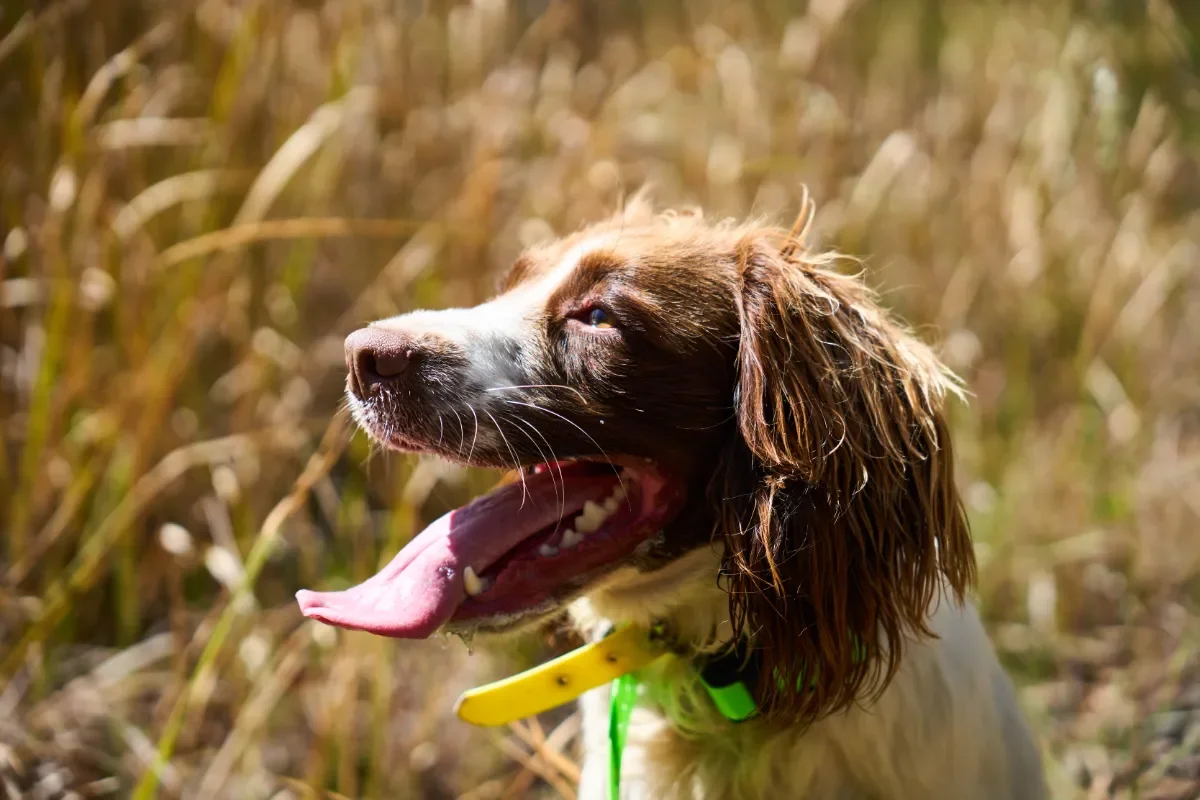
Wildlife Detection Dogs is Wedgetail's in-house scent detection program, trained to find species a visual survey can miss. The dogs search for koalas, threatened orchids and other cryptic or low-density species, covering ground up to 36 times faster than a person, without disturbing the site.
Why does detection accuracy matter for a biodiversity assessment?
A Biodiversity Development Assessment Report has to record what's actually on a site, not just what a person walking the site happened to see. Cryptic or low-density species are easy to miss on a visual survey: a koala sitting still in a tree or a single threatened orchid in leaf litter. Missing one changes the assessment. Wedgetail uses trained detection dogs alongside ground surveys so what's recorded on paper matches what's actually there.
How the detection dogs work
Wedgetail's handlers trained as scent detection dog handlers for two years under Steve Austin's mentorship programme before the dogs went into the field. The dogs are trained to detect koalas, threatened orchids and other rare plants, along with foxes, insects and cane toads, working in terrain that's difficult to search visually: dense understorey, wetlands and low-visibility ground cover.
The dogs cover ground up to 36 times faster than a person on foot. What takes three people an hour to search visually, a dog can cover in around five minutes. That speed doesn't come at the cost of thoroughness. Detection dogs work by scent, not sight, so dense vegetation and low light don't reduce what they can find the way they do for a person searching by eye. The method is also non-invasive: no trapping, no handling, no disturbance to the site beyond a dog and handler walking through it.
At a glance:
Speed: up to 36 times faster than a person, roughly 5 minutes to cover what 3 people take an hour to search visually
Detects: koalas, threatened orchids and other rare plants, foxes, insects, cane toads
Works in: dense understorey, wetlands, low-visibility ground cover, and other terrain that's hard to search by eye
Method: scent-based, non-invasive, no trapping or handling
Where detection dogs are used on a project
Wedgetail's detection dogs support three kinds of project. On land development sites, they search large areas quickly and accurately before or during a Biodiversity Development Assessment, so the survey isn't relying on visual coverage alone. On wind farm projects, they help locate species affected by turbine blade strike, improving the accuracy of the environmental impact assessment. In conservation work, they track threatened species to support monitoring and habitat protection.
A missed detection doesn't just risk an incomplete report. It risks a redesign, a stop-work order, or a survey that has to be repeated in the right season months later, the exact outcome Wedgetail's approach is built to avoid. Detection dogs are also part of a wider shift toward multi-method validation: as scrutiny on assessment methods increases, combining ground surveys with detection dogs, and drone-based surveys to quickly and accurately identify what species are present.
Land development: faster, more accurate search of large sites, supporting a compliant Biodiversity Development Assessment Report
Wind farms: locating species affected by turbine blade strike, for a more accurate environmental impact assessment
Conservation: tracking threatened species to support monitoring and habitat protection work
Ask us how detection dogs could fit into your project's survey methodology, alongside standard ground surveys, at the quoting stage.
Common Questions
-
Wedgetail's detection dogs can cover in around five minutes the same ground a person would take an hour to search visually, up to 36 times faster. That speed doesn't reduce accuracy. Dogs alert on scent rather than sight, so dense vegetation and difficult terrain don't reduce detection rates the way they can for a person searching by eye.
-
The dogs are trained to detect koalas, threatened orchids and other rare plants, along with foxes, insects and cane toads. They work in terrain that's hard to search visually, including dense understorey, wetlands and low-visibility ground cover.
-
No. Detection dogs work by scent, not by trapping or handling the target species. A handler and dog walking a site cause no more disturbance than a standard visual survey, and nothing is captured or restrained in the process.
-
Detection dogs are most useful on large sites, in dense or low-visibility terrain, or where the target species is cryptic or low-density, conditions where a visual survey is more likely to miss something. Wedgetail decides which methods a project needs at the quoting stage, based on the site and the species involved.