
Ecological approval, without the surprises
Getting ecological approval for a development in New South Wales works best in four stages: preliminary assessment, ecological assessment, approval, and post-approval management. It's how we help clients avoid the two things that derail a project, a knocked-back approval and an offset bill nobody budgeted for.
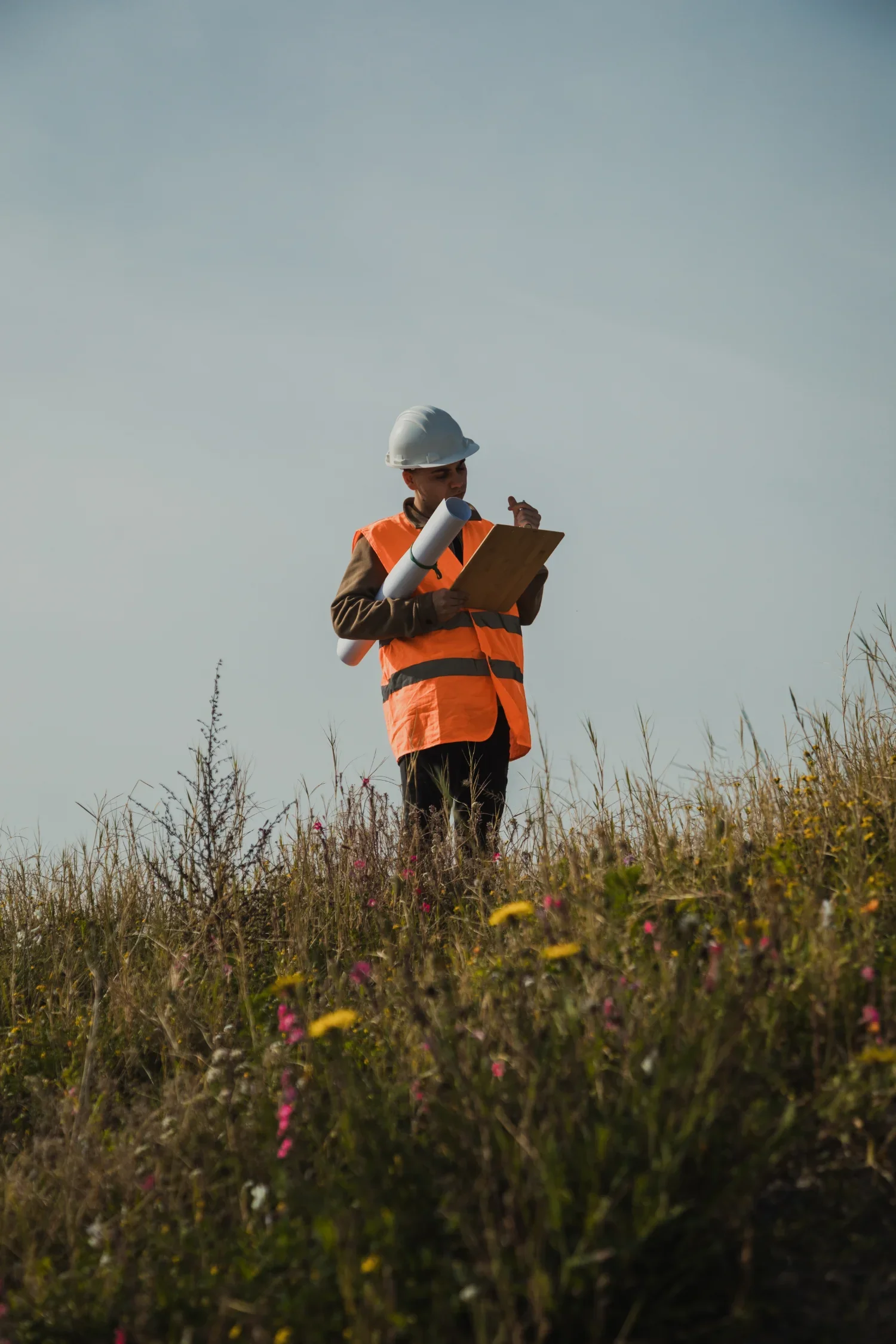
The four stages to a smooth approval
Ecological approval in New South Wales can seem overwhelming. We treat it as four distinct steps, each with a distinct purpose. This makes sure you know what to expect up front, and helps keep the project on track from the beginning.
-
Early advice before you commit to a development path. An ecological constraints assessment maps the whole site: vegetation types, hollow assessments, threatened ecological communities, opportunistic species records, and go/no-go zones. It gives you a likely offsetting cost range and avoid-and-minimise advice before you've spent money on a design that won't obtain approval.
-
Full field surveys, species reporting and data collection, scoped to what was found in stage 1 actually found rather than adding work you don’t need. This makes sure every survey required under the BC Act and BAM 2020 species-specific guidelines gets done and nothing more. This is where a Biodiversity Development Assessment Report (BDAR) or a flora and fauna assessment gets built, ready to submit. Throughout this process we also consider and survey for any requirements under the Environment Protection and Biodiversity Conservation Act (EPBC Act), the Commonwealth legislation that sits alongside the BC Act.
-
This includes the submission to council or the relevant department. For state significant developments, this includes the Environmental Impact Statement process and Secretary's Environmental Assessment Requirements. State significant development applications (SSD DAs) also trigger a referral under the EPBC Act. Strong documentation at Stage 2 is what prevents delays at this point.
-
Approval isn't the finish line. We help with ongoing vegetation management plans, monitoring, and the conditions attached to the consent.
Development Projects
Rigour isn't about running every possible survey. It's about running the right ones. We quote everything required under the species-specific guidelines upfront. No variations later. The guidelines are legislated, so this isn't a quality preference. A non-compliant report doesn't get a worse outcome. It gets a failed approval.
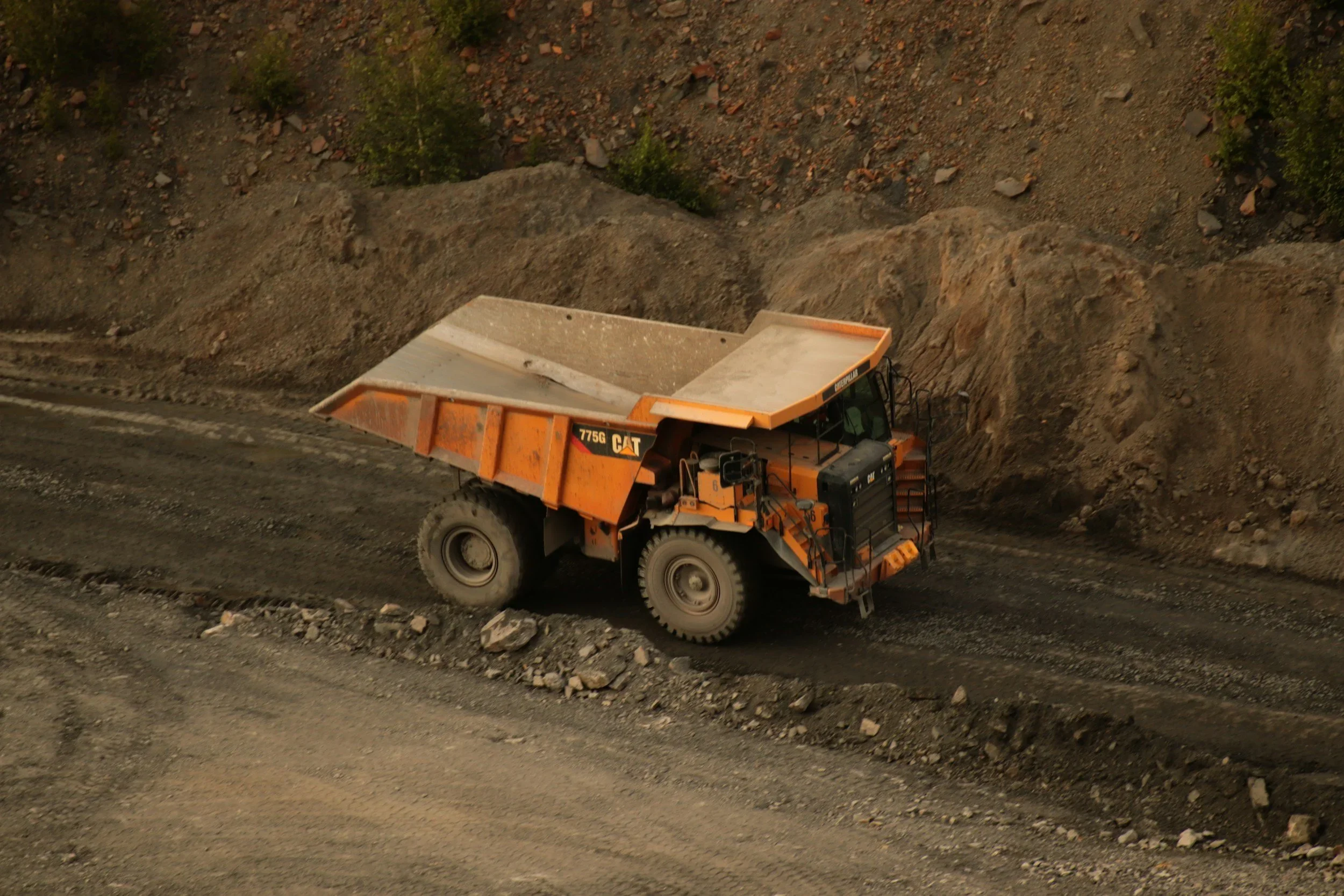
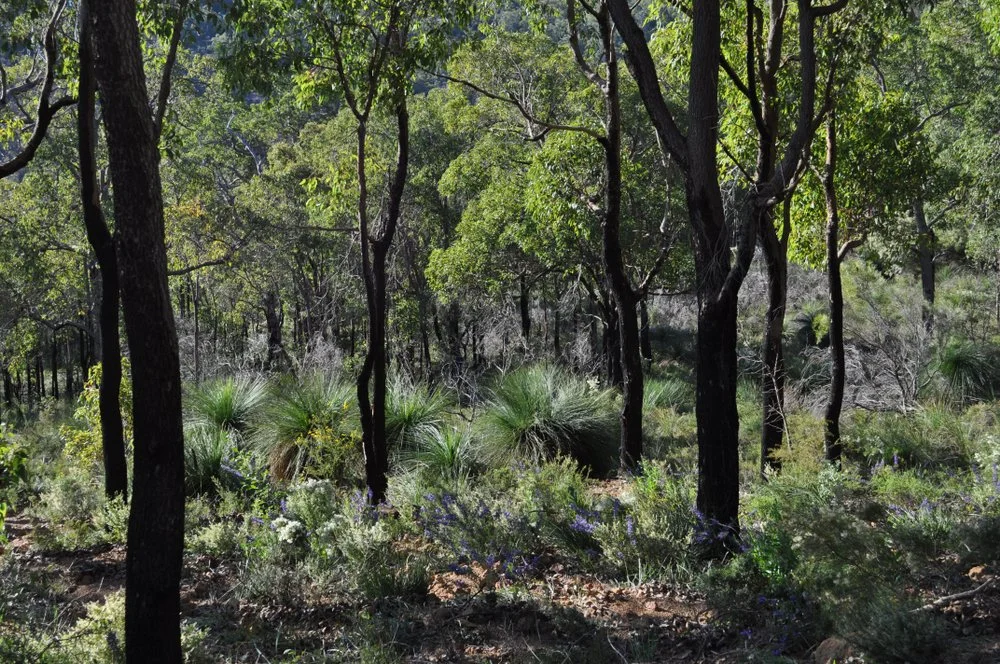
Case Study: Deep Creek Quarry
Ironstone Developments needed approval for a State Significant quarry at Limeburners Creek. Wedgetail coordinated the full environmental and planning assessment, working through both state and Commonwealth approval processes.
Frequently Asked Questions
-
Start with a preliminary assessment. We map your site against the two Biodiversity Offset Scheme triggers, state-mapped areas of high biodiversity value and the minimum lot size threshold for clearing, and tell you whether you need to enter the scheme at all. If you do, we also flag which stage comes next and roughly what it will cost.
-
There's no fixed percentage. Avoid and minimise comes down to demonstrated effort, not a set figure. Map the whole site, identify high-constraint areas, adjust the footprint, and document every step. Councils and departments scrutinise the documentation, not just the outcome.
-
A constraints report is early, informal advice before you commit to a design, desktop-only or with a site visit, and isn't submitted anywhere. A Biodiversity Development Assessment Report (BDAR) is the full survey-backed report submitted to council or the department as part of your approval.
-
No. Only developments that affect a state-mapped area of high biodiversity value, or that clear native vegetation above the minimum lot size threshold, need to enter the scheme. A preliminary assessment confirms which applies to your project.
Not sure where to start?
Send us what you've got, a site address, a concept plan, or just a question, and we'll tell you where your project sits and what it needs next.