
Environmental Planning and Approvals
Environmental planning and approvals involve guiding a project through the relevant environmental assessment and approval process. Depending on the project and approval pathway, this may involve an Environmental Impact Statement (EIS), Statement of Environmental Effects (SEE), Review of Environmental Factors (REF) or other environmental assessment documentation.
Wedgetail prepares and coordinates environmental assessment documentation, combining environmental planning with specialist ecology assessment and coordinating the environmental studies required to support your project.
Which approval document does my project need?
The approval document required depends on the type of development, the approval pathway and the potential environmental impacts. State Significant Development (SSD), State Significant Infrastructure (SSI) and certain other projects are assessed through an Environmental Impact Statement (EIS), addressing the environmental assessment requirements set by the Planning Secretary. Local development applications that don't require an EIS are commonly supported by a Statement of Environmental Effects (SEE). Activities assessed under Part 5 of the NSW Environmental Planning and Assessment Act 1979, where development consent is not required, commonly use a Review of Environmental Factors (REF).
Wedgetail can support projects across these approval pathways, providing environmental planning and ecological assessment services from initial project advice through to development consent. For a State Significant Development, this often runs alongside a Biodiversity Development Assessment Report (BDAR) covering the ecology impact.
What we provide for Environmental Planning
Wedgetail provides environmental planning services to guide projects through the assessment and approval process, from initial planning advice and approval pathway assessment through to preparation and coordination of environmental assessment documentation.
-
Advice on approval pathways, planning requirements and assessment processes, including development applications, State Significant Development, modifications and other environmental approvals.
-
Identifying the assessment requirements for your project and coordinating specialist technical studies, so they are integrated into the overall planning assessment.
-
Preparation of environmental assessment documentation, tailored to the requirements of your project and approval pathway.
-
Preparation of modification applications and supporting reports to amend an existing development consent or approval as your project changes.
-
Preparation of supporting planning reports, and responses to agency and stakeholder submissions.
-
Our senior planning specialists lead your project from initial assessment through to lodgement and post-lodgement, so the person who scoped the work is the person who sees it through.
Who we work with
Wedgetail provides environmental planning services to project proponents, developers, consultants, councils and government agencies. We can lead or support the approval process from initial advice through to lodgement and post-lodgement, coordinating the specialist studies, technical inputs and responses required throughout the assessment process.
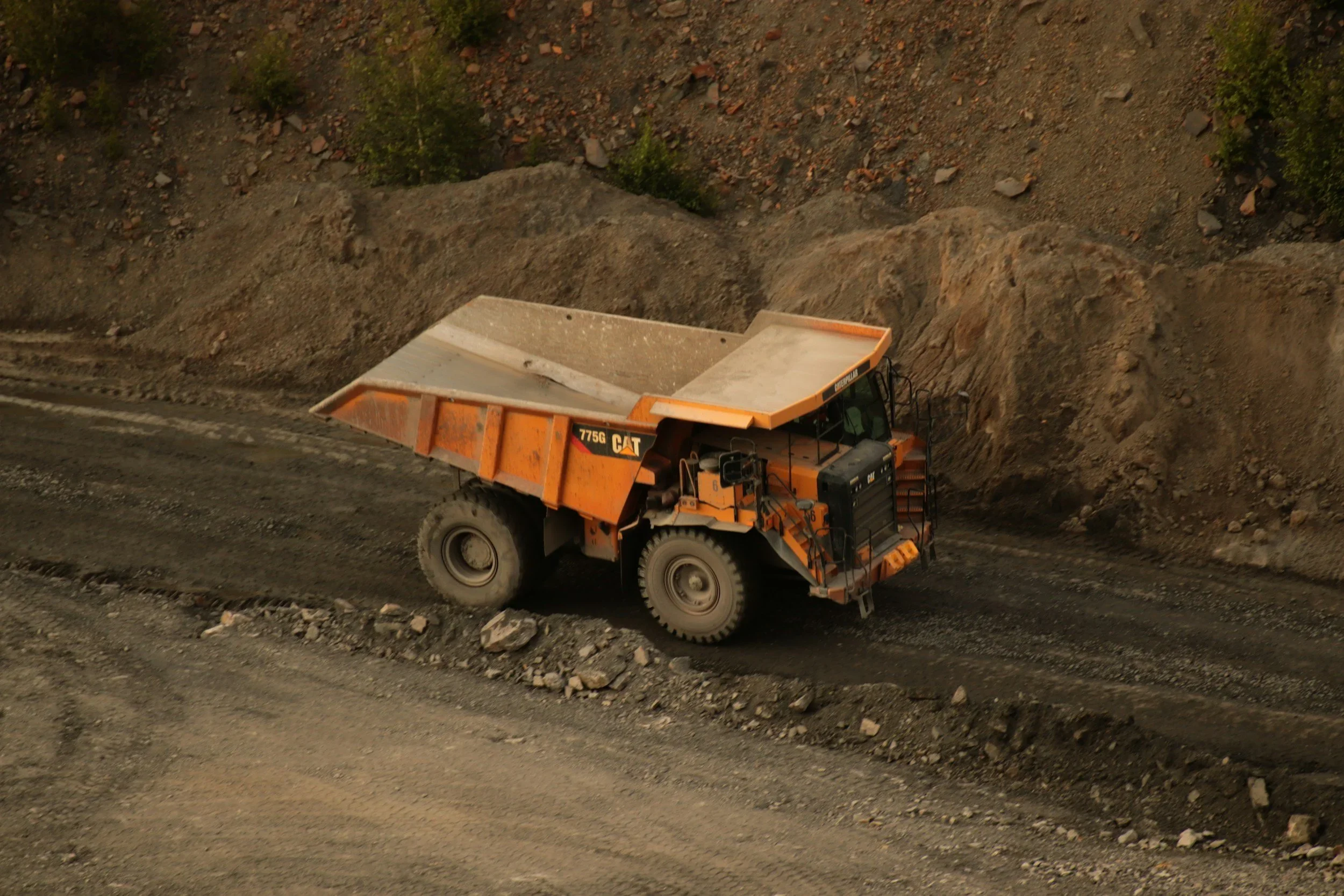
Case Study: Deep Creek Quarry
Ironstone Developments needed approval for a State Significant quarry at Limeburners Creek. Wedgetail coordinated the full environmental and planning assessment, working through both state and Commonwealth approval processes.
Frequently Asked Questions
-
An Environmental Impact Statement (EIS) is used for State Significant Development, State Significant Infrastructure and certain other projects. A Statement of Environmental Effects (SEE) commonly supports local development applications that don't require an EIS. A Review of Environmental Factors (REF) is commonly used for activities assessed under Part 5 of the NSW Environmental Planning and Assessment Act 1979 where development consent is not required.
-
No. The level of environmental assessment depends on the type of development, approval pathway and potential impacts. Many local development applications are supported by a SEE, while Part 5 activities are commonly assessed through a REF.
-
Secretary's Environmental Assessment Requirements (SEARs) are issued by the Planning Secretary and set out the environmental assessment requirements for State Significant Development and State Significant Infrastructure projects, including the matters an EIS must address. Depending on the project, SEARs may be project specific or industry specific. Wedgetail uses the SEARs to identify and scope the environmental assessment, specialist studies and reporting required for the project, and to coordinate the technical inputs needed to address the assessment requirements.
-
After lodgement, the assessment process may involve requests for additional information, agency and stakeholder consultation, technical review and responses to issues raised during the assessment. Wedgetail can continue to support the project through this process, coordinating specialist input, preparing responses and assisting with any amendments or additional information required to progress the application.
Need environmental planning support?
Whether you need help determining the approval pathway, preparing environmental assessment documentation or managing the approval process, Wedgetail can provide the planning and environmental expertise your project requires. Send us the project details and we'll help scope the assessment and next steps. Once approval is granted, we can also prepare the vegetation management plan that follows.