
Biodiversity Development Assessment Report (BDAR)
A Biodiversity Development Assessment Report, or BDAR, is the report you need when a development triggers the Biodiversity Offset Scheme in New South Wales. An accredited assessor prepares it. It sets out your survey findings and what you need to offset, then gets lodged with council or the state government as part of your approval.
When do I need a BDAR?
Once a preliminary assessment confirms your development triggers the Biodiversity Offset Scheme, then a BDAR is the mandatory next step. It's required for both local council development applications and State Significant Developments (SSD), though the consent authority differs. Standard development applications go to council, larger or higher-value projects go to the state government.
What's included in a BDAR?
A BDAR is scoped from your constraints assessment. The species-specific guidelines under the Biodiversity Conservation Act (BC Act) and the Biodiversity Assessment Method (BAM) 2020 spell out what’s required at this point. We scope this upfront to make sure everything needed for approval is included, and you don’t waste time and money on unnecessary surveys.
-
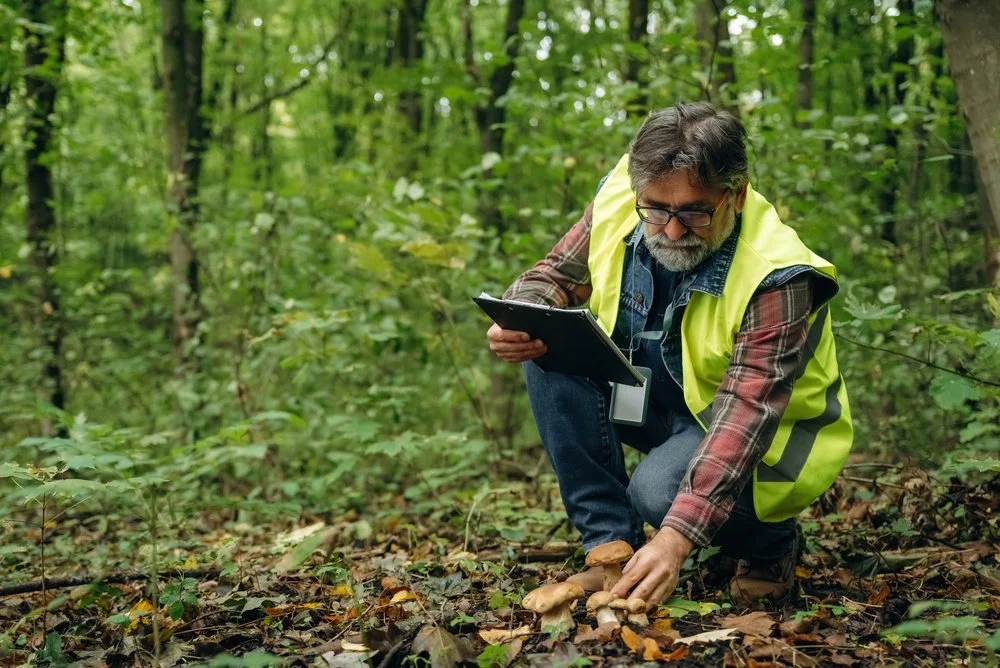
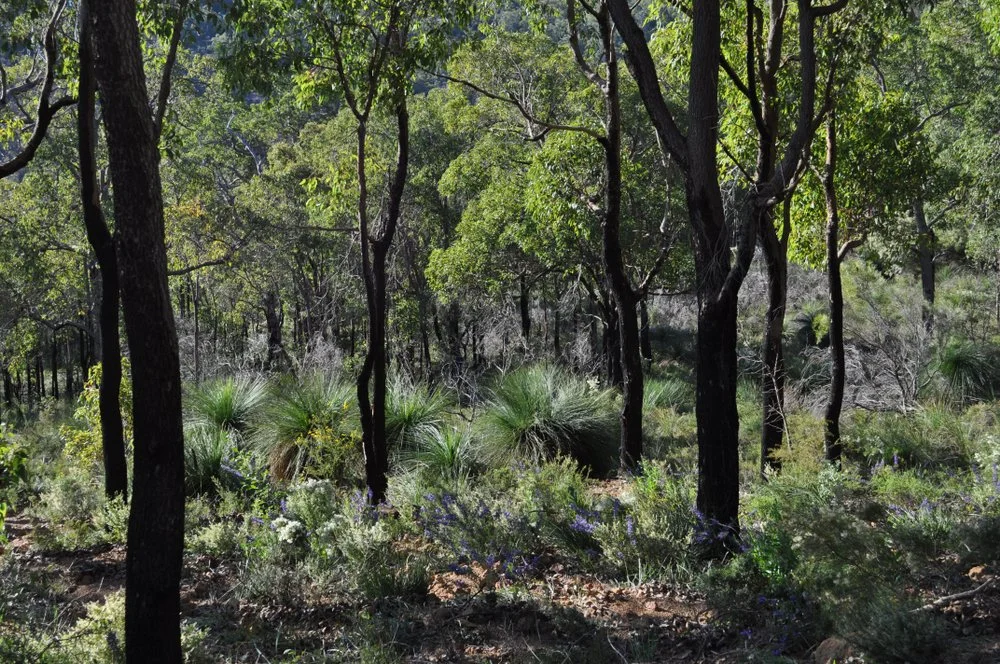
This includes mapping of vegetation communities and fauna habitat across the site.
-
Timed to the survey windows the BAM 2020 guidelines set for each species likely to be present. The full schedule is set out in the quote before work starts.
-
Run through the Biodiversity Assessment Method, so you know the exact credit obligation, not just a likely range.
-
The formal record of every step taken to reduce the footprint of the development.
-
Written and lodged with council or the state government, depending on whether your project is a standard DA or a State Significant Development. A BDAR has to be completed by an assessor accredited under the Biodiversity Assessment Method. The NSW Government publishes the accredited assessor register.
Do it once, do it properly
A cheap BDAR isn't a discount. Miss a survey window and the whole report can be pushed back a full season, sometimes a full year, before it's even ready to lodge. Clients who've been burned by that once tend to choose properly scoped surveys the second time, because the alternative costs far more in delay.
Frequently Asked Questions
-
Field survey work can run up to nine months, since many species can only be surveyed in specific seasonal windows under the BAM 2020 guidelines. The full timeline, including which surveys apply and when, is set out in the quote before work starts.
-
Only an assessor accredited under the Biodiversity Assessment Method. The NSW Government maintains a public register of accredited assessors, so you can check who's qualified before engaging anyone.
-
A BDAR is mandatory once your site triggers the Biodiversity Offset Scheme. A flora and fauna assessment covers projects that don't meet that threshold but where council still wants to understand the ecological impact, and it's a less rigorous process with no offset requirement attached.
-
No report guarantees approval, but a BDAR scoped to exactly what the guidelines require, minimises the risk of getting pushed back at the approval stage.
-
No, it depends on the level of assessment your development requires. Some developments also trigger Commonwealth-level ecology reporting under the Environment Protection and Biodiversity Conservation Act (EPBC Act), on top of the state-level Biodiversity Development Assessment Report (BDAR). Get in touch and we'll tell you which reports your project actually needs.
Ready to scope your BDAR?
If your preliminary assessment has confirmed you need one, send us the site details and we'll set out the full survey schedule and cost before anything starts.