Case Study: Tilt Renewables
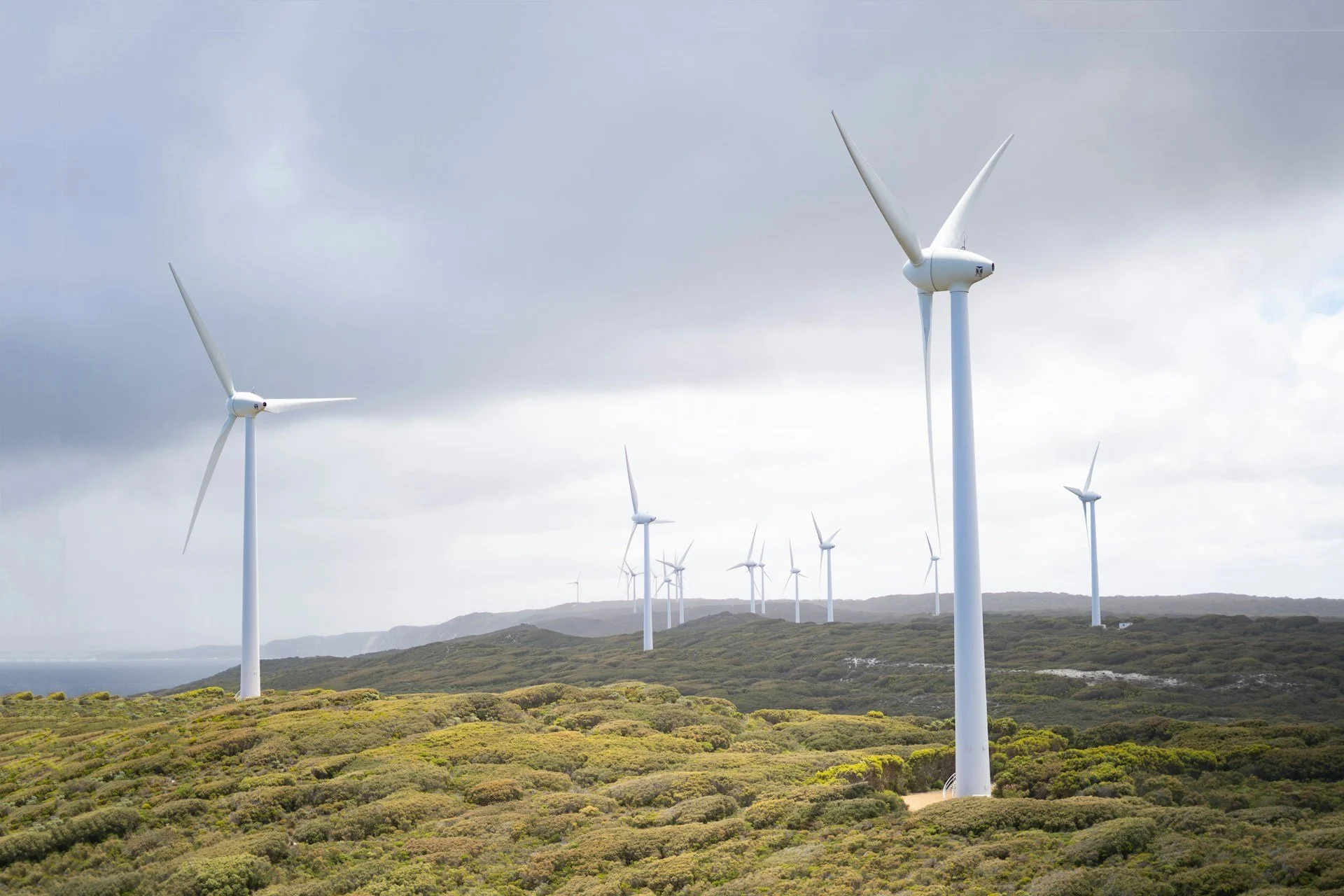
Rye Park and Liverpool Range wind farms, New South WalesTilt Renewables needed to meet biodiversity offset obligations on two New South Wales wind farms. Wedgetail built a strategy around new biodiversity stewardship sites. More than 8,290 hectares are now permanently protected, and Rye Park's final offset costs came in more than $10 million below a direct payment into the Biodiversity Conservation Fund.
The Challenge
Tilt Renewables bought two approved wind farm developments, Rye Park and Liverpool Range, then modified the project approvals to support their ongoing development and delivery. Under the NSW Biodiversity Offsets Scheme, both developments must retire biodiversity credits to offset their impacts.
Tilt needed a strategy that could secure the right credits cost-effectively, while giving threatened ecological communities and species habitat lasting protection and active management. Tilt engaged Wedgetail to build it.
The Approach
Wedgetail assessed a range of offset options against three tests. Could it meet each development's specific credit obligations? Would it deliver secure, lasting conservation outcomes? Was there a practical way to deliver it?
The preferred option was to acquire land and establish biodiversity stewardship sites to generate the credits needed. It combined strong conservation outcomes with cost efficiency. Buying credits on the open market would cover any remaining requirement. Paying into the Biodiversity Conservation Fund was kept as a last resort, only for credits that couldn't be generated on Tilt-owned stewardship sites or bought on the open market.
Once Tilt approved the preferred pathway, Wedgetail ran a targeted search for suitable properties.
Desktop assessment of each property, estimating its likely credit yield by type and volume
Estimated yield compared against each development's specific offset requirements
Properties with enough potential progressed to field assessment, confirming the likely yield and suitability on the ground
Tilt acquired, or secured options to acquire, the verified properties to establish as biodiversity stewardship sites
The Result
Tilt met its biodiversity offset obligations through one integrated strategy. The required credits were identified and secured within each project's timeframe, without delaying either delivery program. The same strategy set up long-term protection, active management and monitoring across the stewardship sites.
More than 8,290 hectares permanently protected, an area larger than Sydney Harbour
Threatened ecological communities and habitat for multiple threatened flora and fauna species, now under long-term protection, active management and ongoing monitoring
Rye Park: final offset costs more than $10 million lower than a direct payment into the Biodiversity Conservation Fund
Liverpool Range: projected to well exceed the Rye Park result, against the same fund payment
Surplus credits: the stewardship sites are expected to generate more credits than the two developments need. That shows they hold biodiversity value beyond the developments' impacts, and the surplus may help meet future offset requirements elsewhere in New South Wales
Contact us about your offset obligations
Common Questions
-
Wedgetail weighs three routes under the Biodiversity Offsets Scheme: establish a biodiversity stewardship site to generate the credits, buy credits on the open market, or pay into the Biodiversity Conservation Fund. Where suitable land exists, a stewardship site can combine strong conservation outcomes with cost efficiency. For Tilt Renewables' Rye Park Wind Farm, final offset costs came in more than $10 million below a direct fund payment.
-
It's the payment option under the Biodiversity Offsets Scheme. Instead of sourcing credits directly, a developer pays into the fund to meet their obligation. Wedgetail treats it as a last resort, used only where the required credits can't be generated on the client's own stewardship sites or bought on the open market.
-
Yes. A site's credit yield depends on the biodiversity values on the land, not the size of the obligation it was set up to meet. The stewardship sites set up for Tilt Renewables are expected to generate surplus credits that may help meet future offset requirements elsewhere in New South Wales.