
Meet your biodiversity offset obligation with your own stewardship site
If your project has an approved biodiversity offset obligation in New South Wales, you can meet it by establishing your own biodiversity stewardship site rather than buying credits on the open market. Wedgetail runs the viability check, the Biodiversity Assessment Method (BAM) survey, and the stewardship agreement setup. Setting up a biodiversity stewardship site isn’t right for everyone, so read on to find out more about the criteria, and what’s involved.
Should I establish my own site, or buy credits on the open market?
Both are valid ways to meet an offset obligation, and the right answer depends on your timeline, the credit types you need, and what land you already control. Buying credits is faster if the right ones are available in your bioregion. Establishing your own site takes longer, but gives you direct control over the outcome and can be the only realistic option if the credits you need are scarce or bioregion-locked to your area.
How establishing a stewardship site works
A three-stage, risk-managed process, so you're not committing capital before you know whether a property actually stacks up.
Step 1:Desktop Assessment
We identify the plant community types (PCTs) and potential hectares on a property you already hold or are considering, and report back on whether it’s likely to be viable. If it doesn't stack up, we'll say so before you spend anything further.
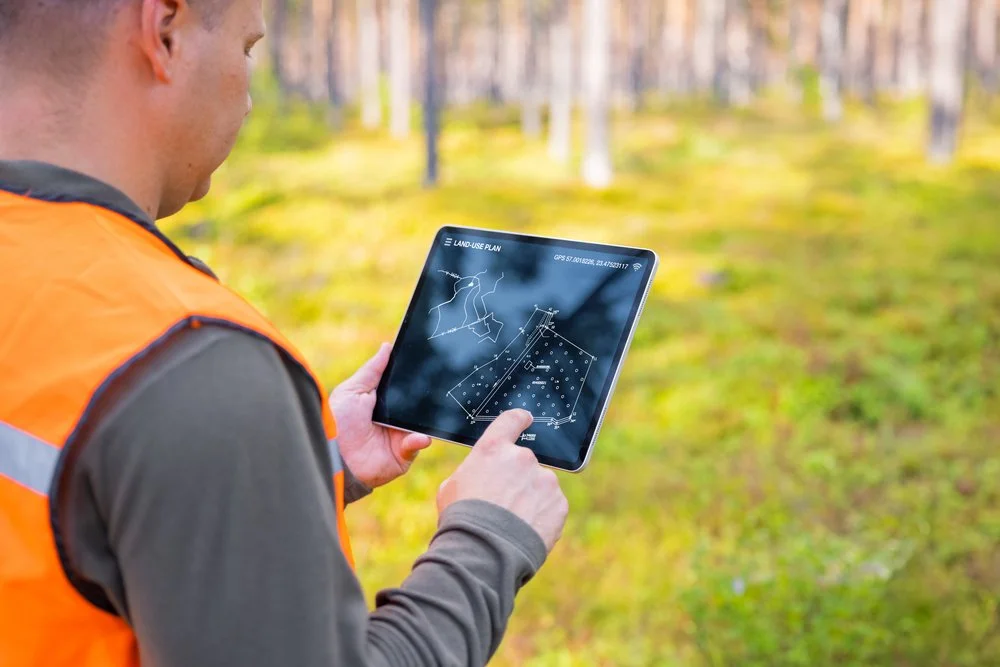
Step 2:Field-verified assessment
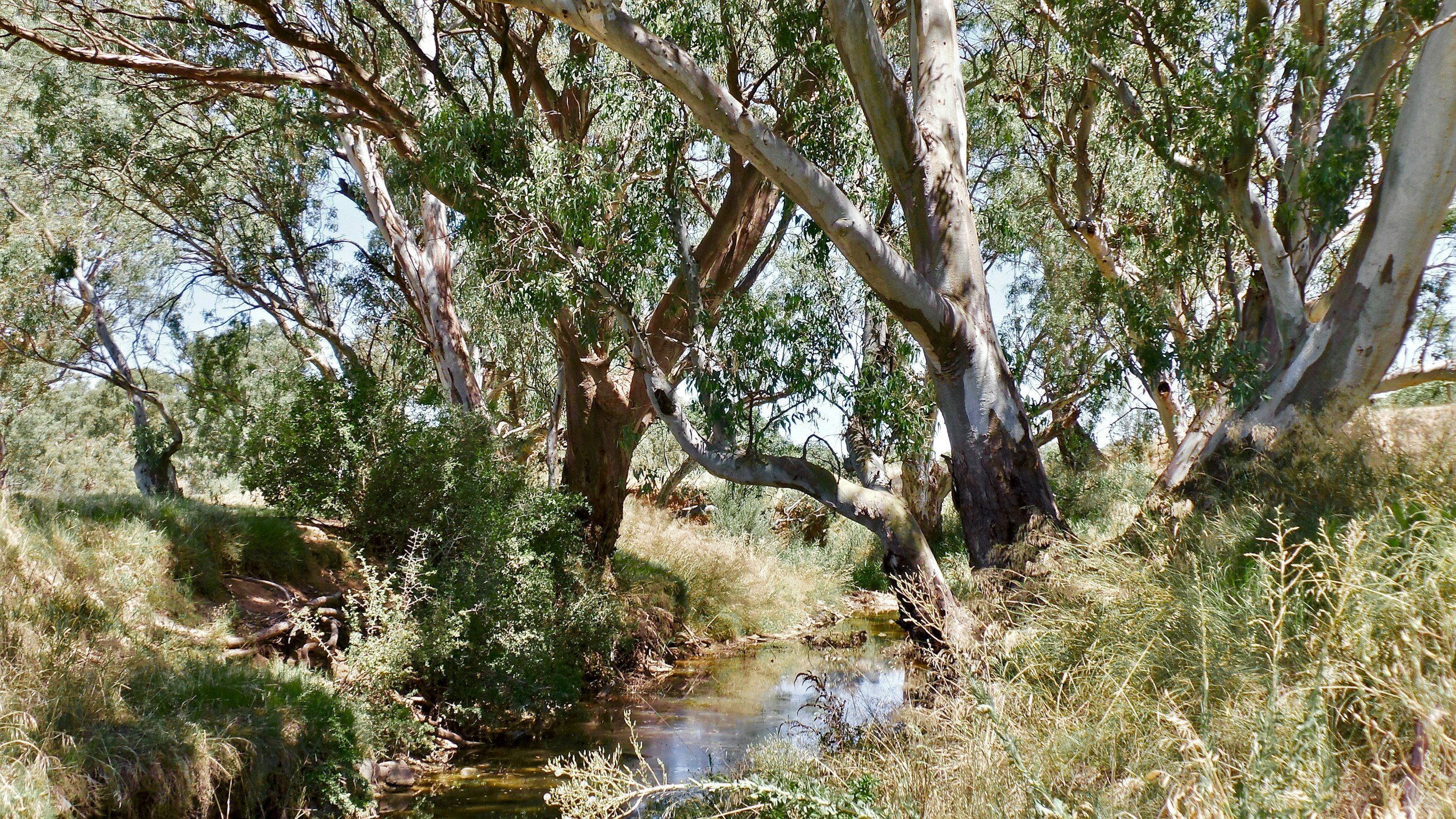
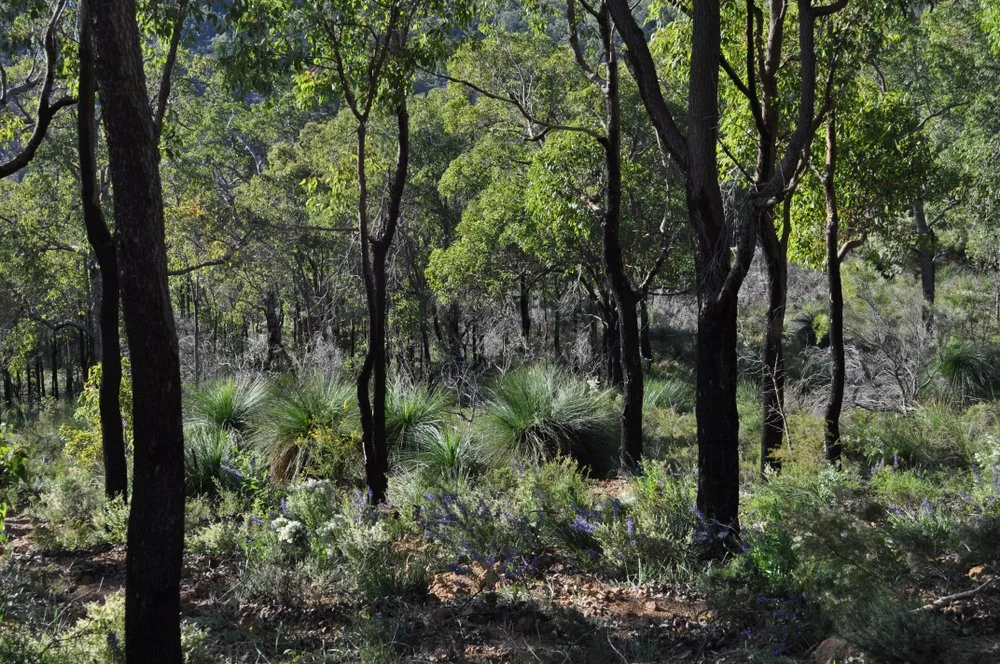
A site visit to confirm what the desktop assessment found is genuinely there. This is where the vegetation communities, habitat and fauna are mapped to prepare the Biodiversity Stewardship Site Assessment Report (BSSAR).
Step 3:Stewardship site setup
If the site is viable, we set up the formal Biodiversity Stewardship Agreement and the management plan that goes with it. Ongoing management covers items like fencing, tracks, erosion control, weed and feral animal management, funded through a budget that you commit to as part of the agreement.
Frequently Asked Questions
-
As a rough guide, most sites need to be around 100 hectares to be commercially viable, though this varies significantly by vegetation type and region. The exception is land carrying a critically Endangered ecological community, where much smaller sites can work. Credits are also bioregion-locked: they generally need to sit within the same Interim Biogeographic Regionalisation for Australia (IBRA) region and within 100km of your project's boundary, so a technically viable site elsewhere in the state may not actually meet your obligation.
-
Registration typically takes around 12 months from a confirmed viable site, and the Total Fund Deposit itself is usually built up over roughly 3 years. We'll give you a realistic timeline for your specific project rather than a generic one, since it depends heavily on what's actually on the land.
-
A 20-year budget for managing your stewardship site, broken into yearly increments, covering things like fencing, weed control and monitoring. It's built up over roughly the first 3 years of the agreement and funds the site's management obligations for the life of the agreement.
-
We don’t broker credits ourselves, however we work with Biodiversity Credits NSW on the credit-sourcing side, and can help you weigh whether buying credits or establishing your own site is the better fit for your project's timeline and obligation.
-
Generally yes. Credits are typically bioregion-locked, meaning they need to sit within the same region as your project and usually within 100km of its boundary. This is one of the first things a viability check confirms.
Talk to us about your obligation
Tell us about your project's offset obligation and what land, if any, you're already considering, and we'll give you a realistic read on whether establishing your own site makes sense.