
Could your unused land be generating income?
If you've got native bush on your property in New South Wales, it may be eligible to generate income under the Biodiversity Offset Scheme, a government program that pays landholders to protect land long-term. Wedgetail will tell you honestly whether your property qualifies, and what it could be worth, before you commit to anything.
What is the Biodiversity Offset Scheme?
When a developer clears native bush somewhere in New South Wales, the law generally requires them to offset that impact elsewhere. One way that happens is by paying a landholder to protect and manage land with similar habitat, permanently.
You're not selling your land. You're entering a long-term agreement to manage a defined part of it a certain way, and getting paid for it.
-
The scheme's own eligibility threshold is 20 hectares of native vegetation. However, in our experience, a site generally needs to be closer to 100 hectares before it's commercially viable for this program. Below that, the numbers usually don't stack up unless the vegetation itself is exceptional. We'd rather tell you that upfront than have you spend time on a site that was never going to work.
Across New South Wales, the typical registered stewardship site is around 110 hectares, in line with that. Almost three-quarters of registered sites are under 300 hectares.
Size also affects the cost of setting up the agreement. The total fund deposit works out to more per hectare on a smaller site, typically $6,000 to $9,000 per hectare, dropping to as low as $3,500 per hectare on larger ones. These are general figures, not financial advice.
-
The type and condition of the bush on your property. Native vegetation that's in good condition, or that supports a threatened species or an endangered ecological community can make a smaller property genuinely valuable. This is exactly why a proper check matters more than a rule of thumb. Two properties the same size can have very different answers. We'll check both before you spend anything on a full assessment.
-
You keep the land. What you commit to is managing a defined area according to an agreed plan, for the long term, and being paid for that ongoing work. The area is then protected like a national park. We'll walk you through exactly what that commitment involves before you sign anything.
How it works
Step 1:Initial Check
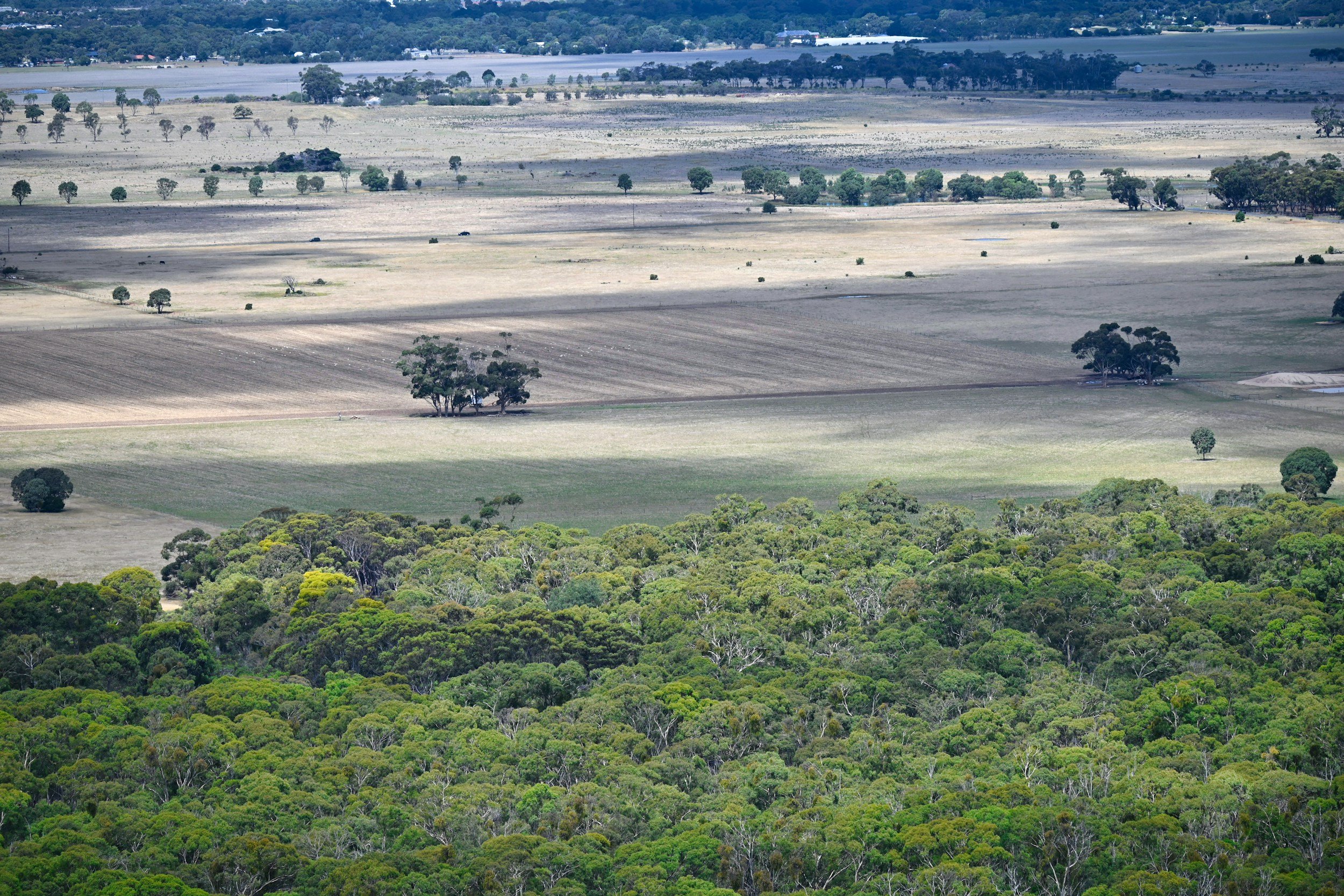
We look at what's on your property and give you an honest read on whether it's likely to stack up. If it doesn't look viable, we'll tell you that directly rather than stringing you along. Please note, this service does not constitute financial advice.
Step 2:Site Verification
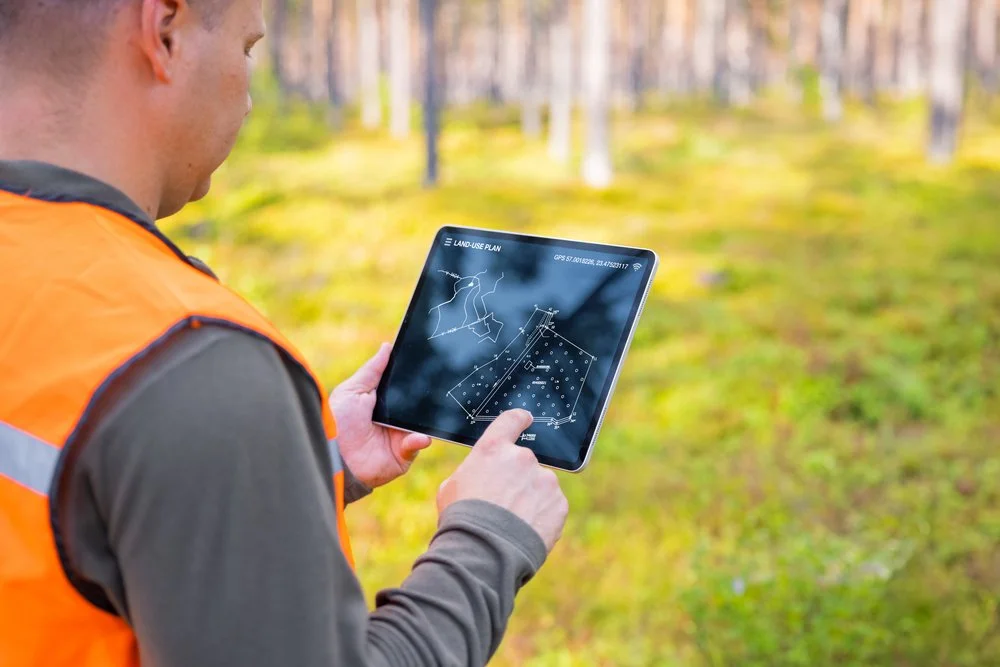
If the first check looks promising, we visit the property to verify the site in person. This is what turns a desktop estimate into something you can actually rely on.
Step 3:The Agreement
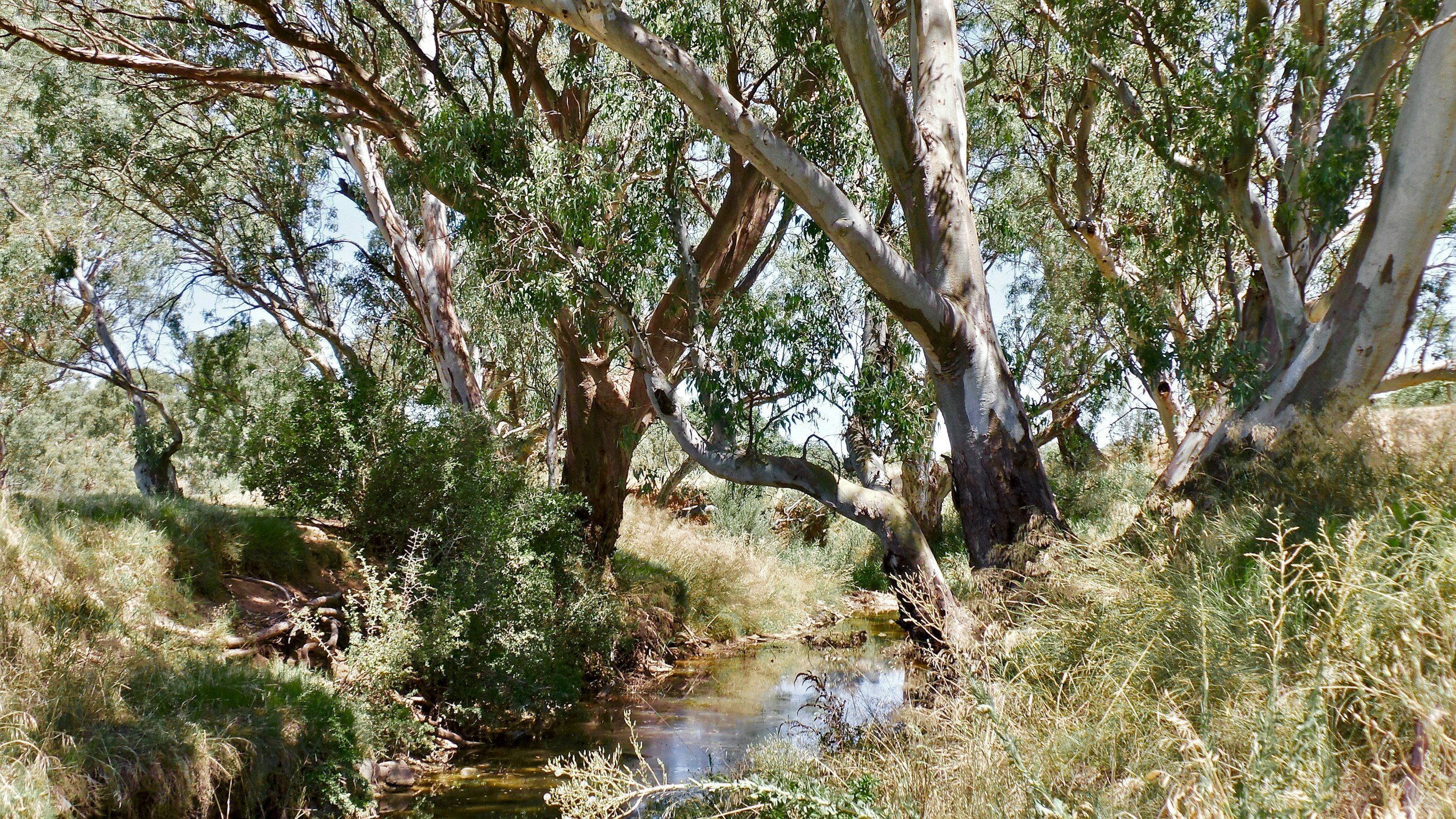
If everything checks out, we help you work through the process to set up a formal, long-term biodiversity stewardship agreement and the management plan that goes with it.
Worth knowing upfront: registration typically takes around a year, and it's usually longer again before the funding is flowing at full pace. We'd rather tell you that now than have it come as a surprise partway through.
Frequently Asked Questions
-
Get in touch with Wedgetail directly. We work across the whole of New South Wales from four offices, so wherever your property is, your enquiry goes to someone who knows the local area.
-
No. You keep ownership. What changes is a commitment to manage a defined part of your land under an agreed long-term plan.
-
Yes, signing an agreement can trigger tax obligations before any income actually arrives. We recommend talking to your accountant early in the process.
-
We'll tell you honestly at the first check, before you've spent anything on a full assessment. Not every property stacks up, and we won't set up a site the market won't actually support.
-
No. Twenty hectares is the scheme's own minimum, but in our experience a site generally needs to be closer to 100 hectares before it's commercially worthwhile, unless the vegetation itself is exceptional.
-
It depends what native vegetation remains and its condition. Even a smaller patch of good-quality bush on an otherwise cleared property can be worth checking, rather than assuming the whole property needs to qualify.
Find out what your site is worth
Tell us where your property is and we'll walk you through a desktop assessment first, so you know whether it's worth taking further.